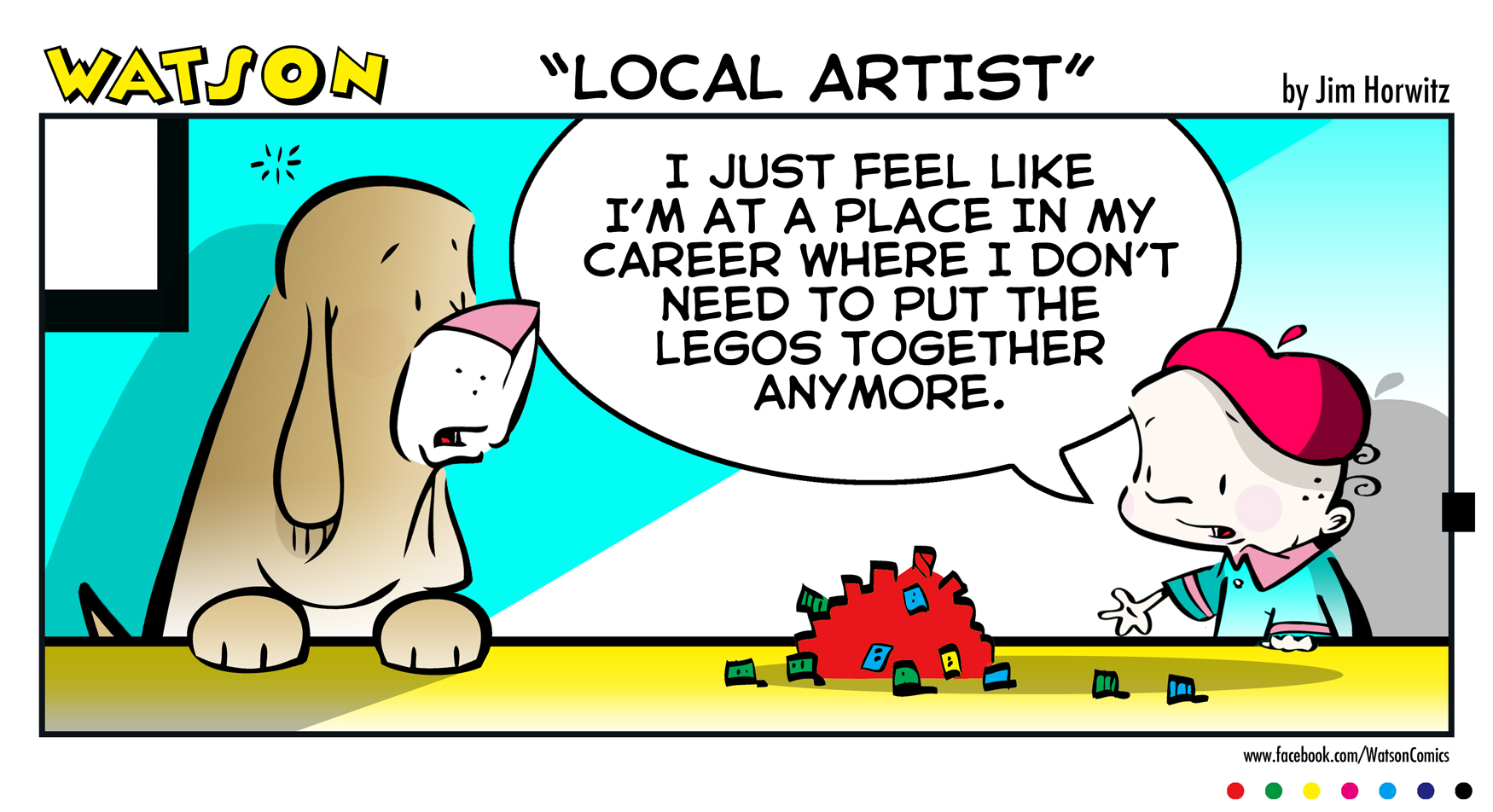




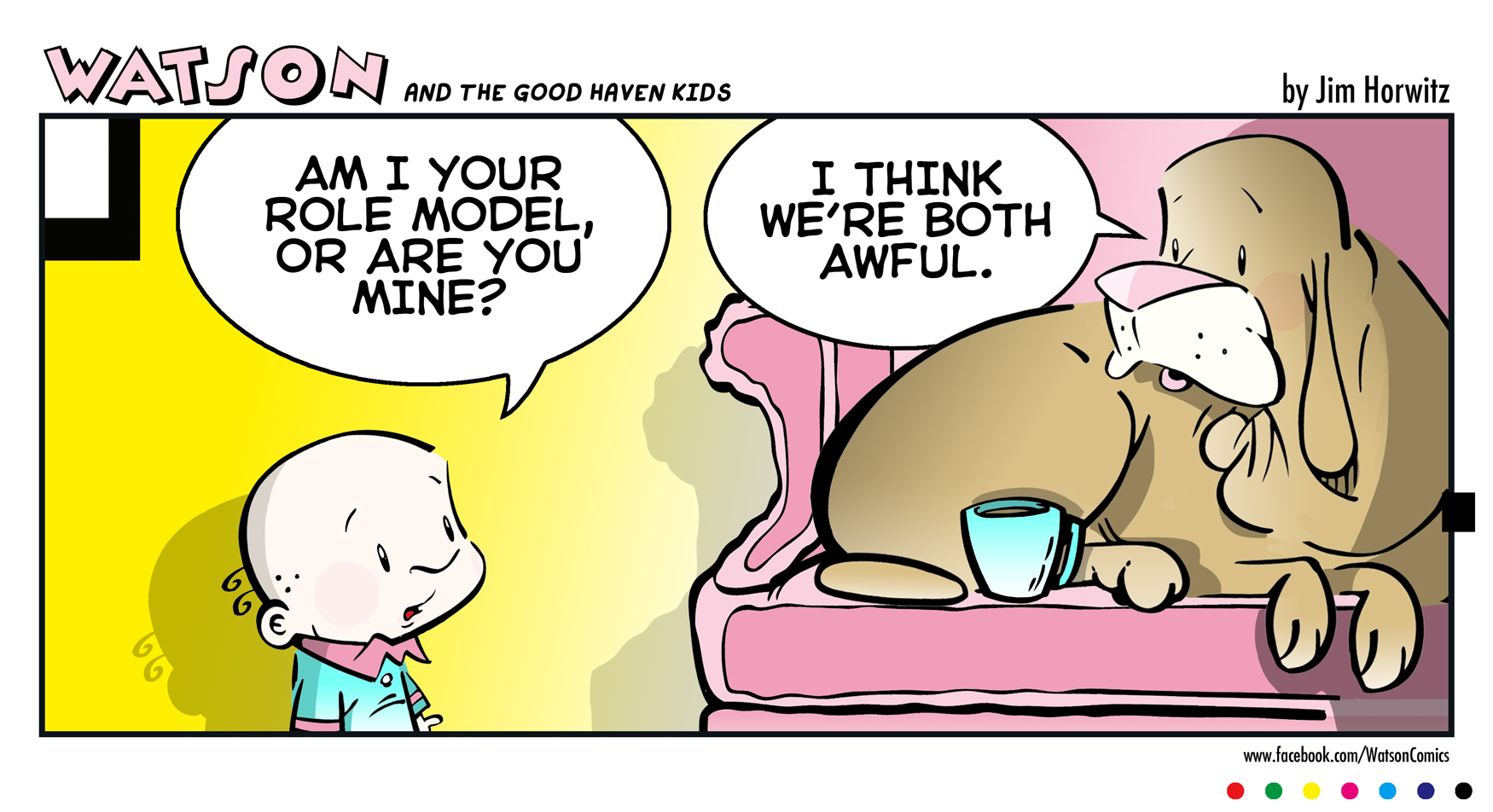
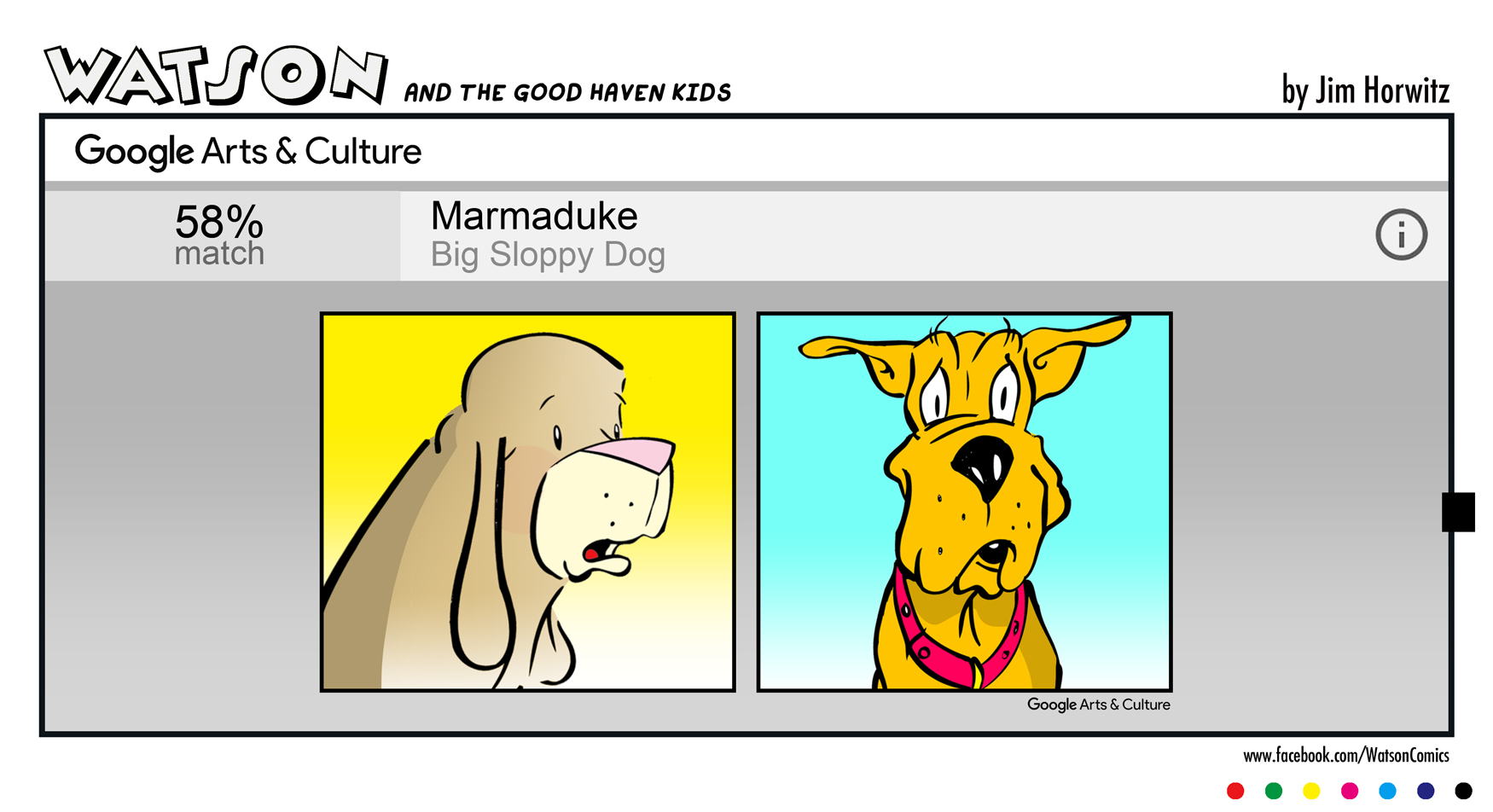
 An interesting idea that I’ll never stop meditating upon, or twisting around like a Rubik’s cube, is the idea that when you see a comic strip you’re not just seeing the artist’s work, but you’re actually getting a print-out of the cartoonist’s philosophy on what a comic strip is. – THIS is how I think it should be done.
Now, clearly, there are a few circumstances under which this would not be the case.
1: The artist has a grander conception of his/her strip and is working to move the strip in that direction.
2. The artists is shackled to some awful contract and just has to draw the strip a certain way.
3. The artist is constantly forced to cut corners for any number of reasons.
4. Some other reason that I’m incapable of grasping, here, in this tiny list.
Assuming that none of the above reasons are at play in the said comic strips in question, then it’s fair to rightly assume the artist has taken great pains, and continues to do so, to show you what s/he thinks a comic strip should look like, and how best s/he chooses to execute that vision. – When you see a comic strip you’re not just getting “a strip.” You’re getting a lifetime’s worth of thought, art, and consideration about what elements are most essential. – This, I think, is fascinating.
In one strip, backgrounds aren’t important.
In one strip, it’s okay for characters to not have legs; maybe little squiggles are good enough.
In one strip, it doesn’t matter if the perspective is totally whacked. – The joke is most important.
And, the list goes on and on.
Where do these ideas come from?
How and when do cartoonists come to these realizations as they draw?
Well, based on my own experience these things happen very slowly.
Sometimes the decisions make themselves.
Sometimes the artist is actively making choices.
If someone were to ask me to draw a coffee cup, mentally, there are 3-4 different styles in my mind to choose from.
I don’t have just one coffee cup.
But, again, how many coffee mugs does a comic strip really need?
So, the next time you read a strip look around at all the things.
You’re looking at jokes and squiggles, however, you’re also looking at a career’s worth of philosophy in-print.






 1
1
 1
1
 1
1
 1
1
 1
1
 1
1
 1
1


A comic strip is a musing somewhere between a doodle and a letter. There’s no need for comic strip characters to be elaborate, animation-like images when all they really need to do is tell the truth. Ideally, drawing a comic strip character should be no more difficult than signing one’s name. If an artist has put in his/her time, drawing should be next to effortless.
Children love to see grown-ups draw comics, especially on napkins, because the effect is always magical.
To take out a pen, doodle a line down, and have it look like a dog or spaceship is a trick second to none. I’m glad there are so many young people interested in drawing comics now. It reaffirms my faith in the general use and goodness of comics as an art form.
The greatest thrills I’ve had in my career have had nothing to do with money or celebrity, and everything to do with smiles and good cheer. I have drawn rockets and dogs for children, and being of use in that way has been priceless. I wish more aspiring cartoonists would have more faith in themselves and their abilities to “get there,” wherever there is. If you can make your doodles and your doodles make others smile while making you smile, then that’s all the “there” you’ll truly ever need.
Being a cartoonist, or any kind of artist, is a godawful way to make money and pay the bills.
That said, it’s absolutely the most wonderful way to be alive and remind yourself what being human is all about.